Services
Sea Freight
Full container and groupage bookings, arranged with the carrier, packed for the voyage and cleared at both ends.
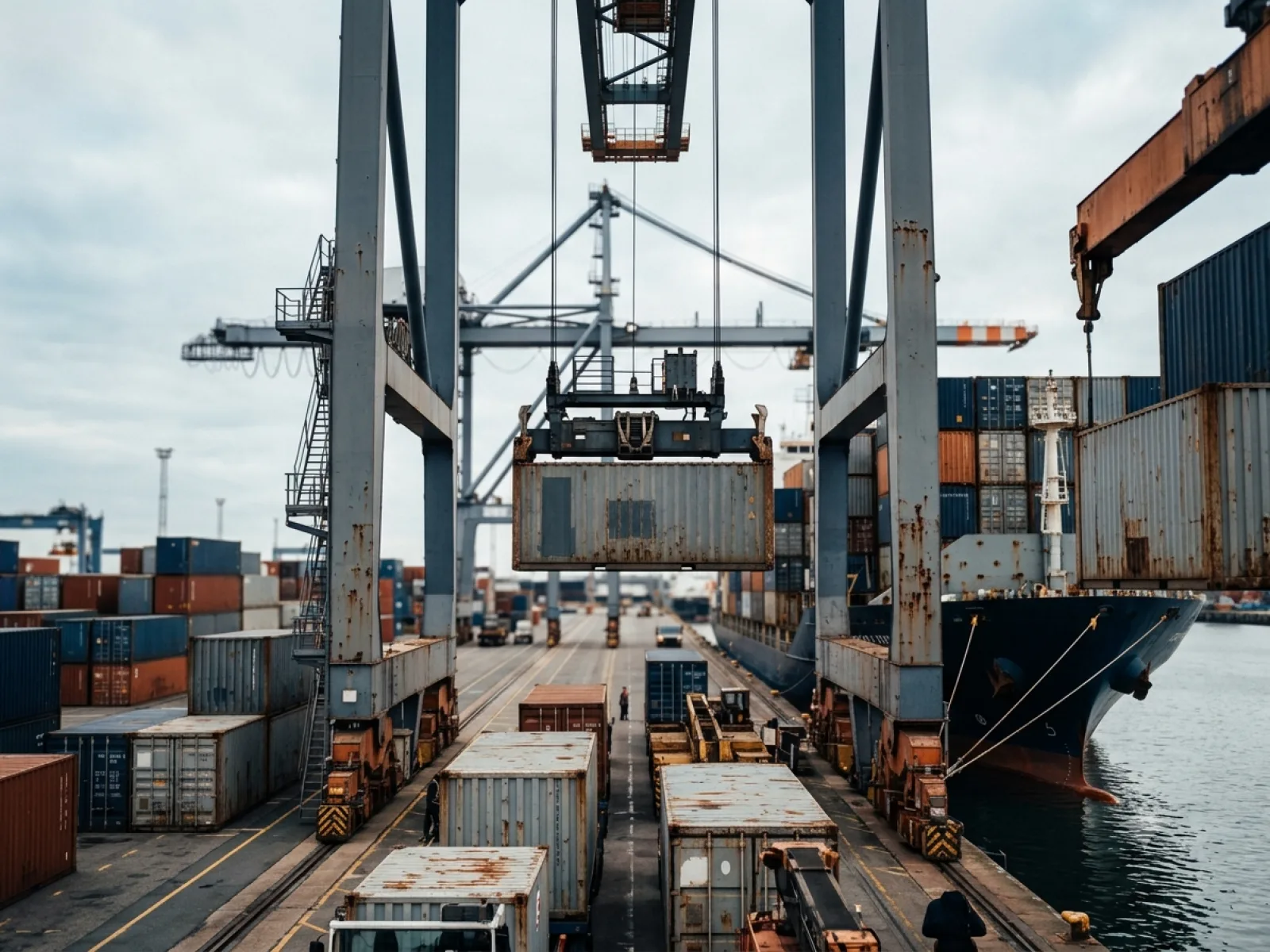
Sea freight is the workhorse of most import and export programmes: slower than air, but the right choice for volume, weight and anything where the schedule allows a few weeks in transit.
Full container load
We confirm space with the carrier before we confirm your rate, so the sailing you are quoted is the sailing you are booked on. Containers can be stuffed at your own premises or at our warehouse, and we arrange haulage at both ends.
Groupage and part loads
If your cargo does not fill a container, it travels in a groupage container with other consignments going the same way. You pay for the space you use, calculated on whichever is greater, volume or weight.
What we handle
- Carrier booking and space confirmation
- Collection from the supplier and delivery to the port of loading
- Container stuffing, lashing and securing
- Bill of lading, certificates of origin and export declarations
- Destination clearance, port charges and final delivery
Transit times
Transit time depends on the route, the carrier's rotation and whether the service is direct or routed through a transhipment hub. We quote the realistic door to door time rather than just the port to port sailing time, and we tell you when a vessel is rolled.
Questions about sea freight
How long does sea freight take?
Transit time depends on the lane, the carrier's rotation and whether the service is direct or routed through a transhipment hub. We quote door to door time, including collection, clearance and delivery, rather than just the sailing time.
What is the difference between FCL and LCL?
FCL means you take a whole container. LCL means your cargo shares a container with other shipments and you pay for the space it uses. FCL is usually cheaper per unit once you fill roughly half a container.